Dr. Thang reported on the method of breast reconstruction after mastectomy using a latissimus dorsi muscle flap.
The demand for cosmetic surgery, particularly rhinoplasty, is increasing. However, this is accompanied by concerns about respiratory health. Many patients wonder if rhinoplasty affects their breathing. Let's analyze this in detail with Thao Dien International Hospital to dispel these concerns and help you make an informed decision before undergoing the procedure.
Does rhinoplasty affect breathing?
Anatomically, the nasal cavity is responsible for air conduction, while rhinoplasty primarily affects the soft tissue and cartilage framework located above the bony structure. Therefore, if performed correctly by a highly skilled surgeon, the answer to the question of whether rhinoplasty affects breathing is no.
In fact, a successful rhinoplasty not only improves appearance but also preserves, or even improves, breathing function in cases of deviated septum. However, shortness of breath may occur temporarily in the first few days after surgery due to tissue swelling or because the doctor places gauze in the nostrils to stop bleeding. This is a completely normal physiological reaction and will disappear when the wound stabilizes.
However, if the procedure involves excessive intervention into the internal structure or uses excessively large cartilage that compresses the nasal passages, breathing can be affected long-term. This is why you need to seek out reputable facilities to avoid the unfortunate question of whether rhinoplasty affects your health becoming a reality.
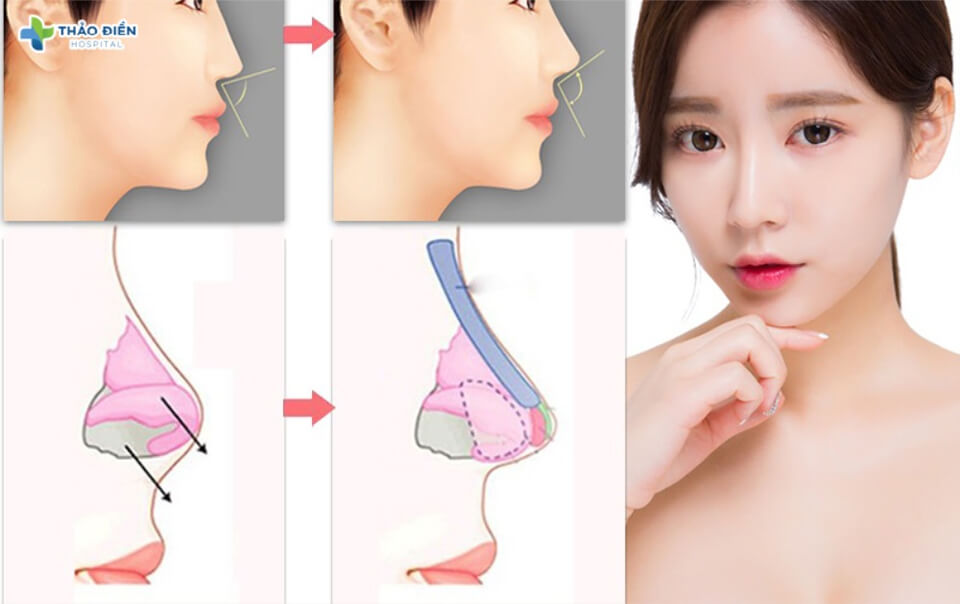
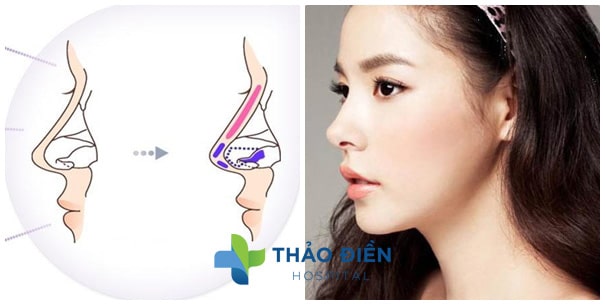
The structure of the nasal cavity and the placement of the nasal cartilage implant are designed to avoid obstructing the airway.
Cases of rhinoplasty complications and how to prevent them.
Although rhinoplasty is a common procedure, if performed at unreliable facilities or without proper sterilization, clients are likely to experience serious complications. So, what are the long-term effects of rhinoplasty? This largely depends on your choice of clinic and the post-operative care process.
Common complications
- Infection, necrosis: Due to an unsterile surgical environment or an allergic reaction to the artificial cartilage.
- Septal deviation, nasal bridge deviation: Due to incorrect cartilage placement technique, causing aesthetic problems and obstructing airflow.
- Perforation of the nasal tip, exposed cartilage: Using cartilage that is too long or too hard, puncturing the thin skin layer.
- Nasal valve stenosis: Excessive intervention in the nasal wings and columella, narrowing the airway.
Effective prevention methods
- Choose a specialist: Only doctors with a deep understanding of anatomical structures can ensure that rhinoplasty is performed without invasively affecting the airway.
- Use cartilage of a known origin: High-quality biocompatible cartilage or autologous cartilage is used to increase compatibility and minimize rejection.
- Adhere to post-operative instructions: Proper nasal hygiene, medication, and follow-up appointments are key to ensuring complete healing without complications.
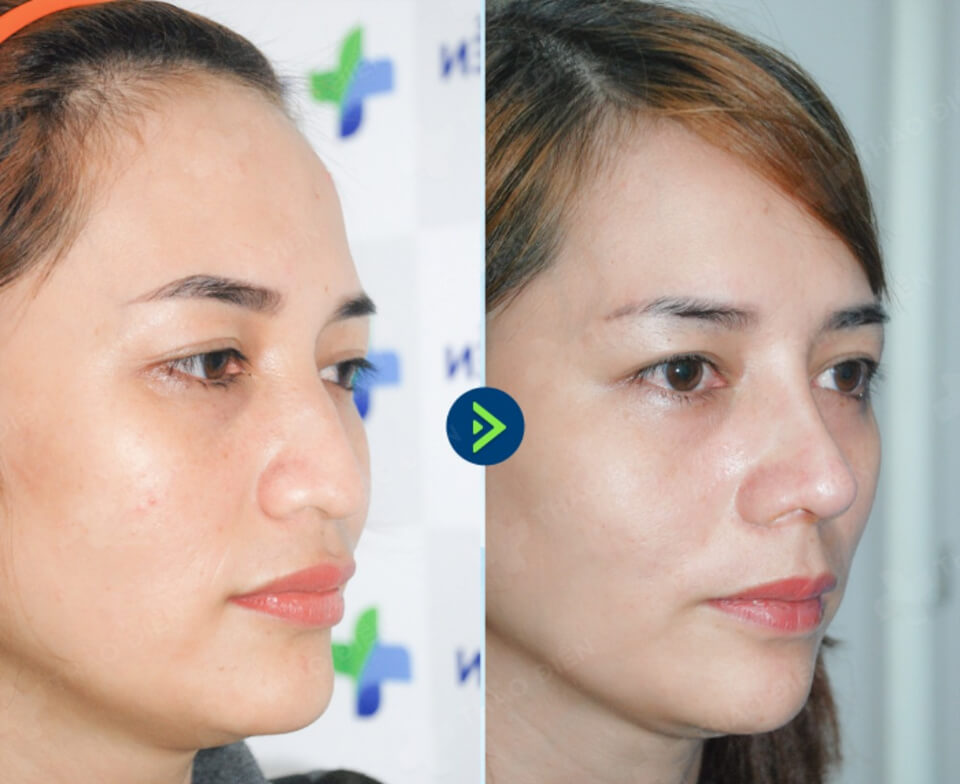
Customers undergoing rhinoplasty at Thao Dien Hospital experience safe procedures with minimal swelling and bruising.
Thao Dien International Hospital - A safe and medically approved rhinoplasty clinic in Ho Chi Minh City.
In Ho Chi Minh City, Thao Dien International Hospital is a leading institution in combining modern aesthetics with absolute medical safety. We understand that a beautiful nose must first and foremost be a healthy nose. So why should you choose rhinoplasty at Thao Dien International Hospital?
Hospital model
Unlike smaller, independent beauty clinics, Thao Dien operates under a hospital model licensed by the Ministry of Health. All procedures, from general examinations to surgery, take place in a sterile, closed environment, ensuring customers don't have to worry about whether rhinoplasty will affect their health.
Team of doctors
Doctors at Thao Dien, notably Dr. Nguyen Van Thang, have many years of practical experience. With a refined aesthetic sense, the doctor will design a personalized nose shape, ensuring both an elegant height and the preservation of respiratory function.
Surgical procedure
3D imaging technology: Allows patients to preview the results and enables doctors to accurately calculate the size of the cartilage to avoid compressing the nasal cavity.
Plasma swelling reduction technology: Helps to quickly close wounds, minimizing swelling, allowing patients to breathe normally immediately after surgery.
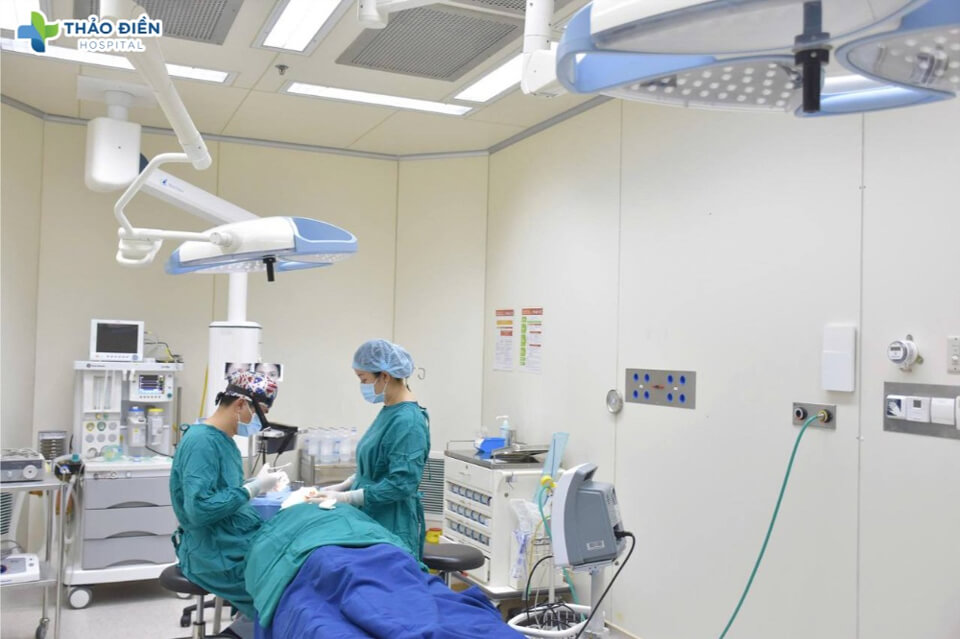
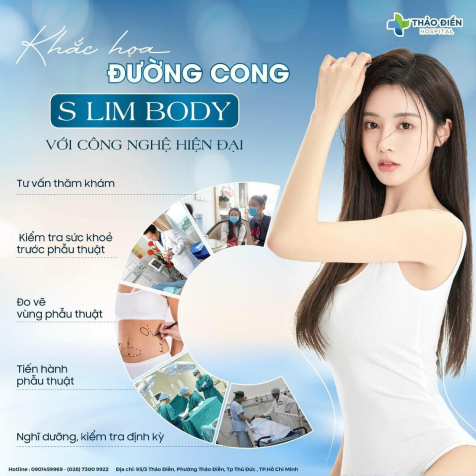
A closer look at the examination process and modern equipment at Thao Dien International Hospital.
Some frequently asked questions
Besides the question of whether rhinoplasty affects breathing, Thao Dien International Hospital frequently receives inquiries about the long-term effects of the surgery:
Does rhinoplasty have any effect on aging?
Many people worry about the effects of rhinoplasty in old age, wondering if their nose will become deformed or painful when the weather changes. In reality, with modern structural rhinoplasty techniques using autologous cartilage, the nose will be very durable. If performed correctly and with high-quality cartilage, the nose shape will remain stable and live peacefully with you for life without causing premature aging complications.
Does rhinoplasty affect the sinuses?
Patients with sinusitis often worry about whether rhinoplasty will affect their sinuses. The answer is that rhinoplasty and sinusitis are two different conditions. Sinusitis is a disease of the mucous membranes in the bony cavities, while rhinoplasty intervenes in the soft tissue above. In fact, when structural rhinoplasty corrects a deviated septum, sinusitis may even show significant improvement due to clearer airways. You just need to be careful not to have surgery during an acute sinusitis phase (with pus discharge or severe inflammation).
In short, if customers wonder whether rhinoplasty affects breathing, the answer is no, provided it is performed by a team of dedicated and skilled doctors at reputable hospitals.
Do you want to have a beautiful nose with perfect proportions while ensuring your health? Contact Thao Dien International Hospital today for a free consultation with leading experts!


Other Posts




 0901.459.969
 bsnguyenvanthang@gmail.com
 Monday - Saturday
 Time: 7am - 5pm